Electrical Rubber Mat & Insulation Sheet Manufacturer
Dielectric Insulation Safety Rubber Rolls Manufacturing in India
This is a short spoken brief about what HIC Insulation makes. It runs for about ninety seconds, and every word of it is written out below the player.
HIC Insulation is the insulation rubber division of HIC International, an Indian manufacturer of electrical rubber mats and rubber sheet since 1988, certified to ISO 9001. The mats and sheets are mixed, calendered and vulcanised in HIC's own plant, which makes eighteen thousand rolls and sheets a year.
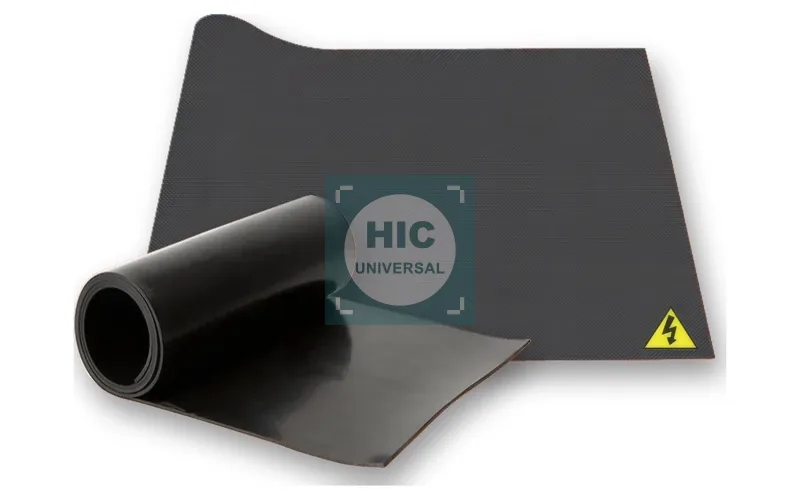
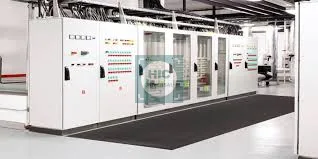
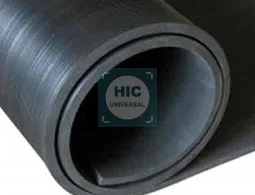
The first product line is the electrical insulating mat, laid in front of switchboards, control panels and transformers to protect people from electric shock. HIC makes it to four published standards: IEC 61111, ASTM D178, Indian Standard 15652 and Indian Standard 5424, for working voltages from four hundred volts up to thirty six kilovolts.
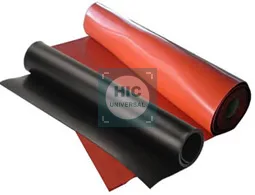
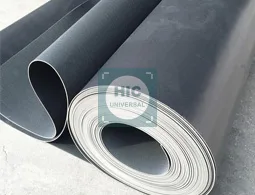
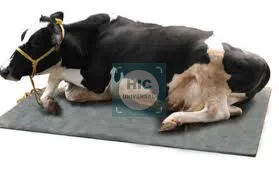
The second line is synthetic rubber sheet for gaskets, seals and packing: neoprene, nitrile, EPDM, silicone, Viton and SBR, each compounded for the oil, heat, water or wear it will meet, and cloth insertion sheet for high pressure flanges. HIC also makes the cow shed mat, a seventeen millimetre interlocking rubber floor for cattle stalls.
Every supply is tested in HIC's own laboratory and shipped with a test certificate, and third party inspection is arranged when a buyer asks for it. HIC exports to buyers in twenty four countries.
The products, datasheets and certificates are linked further down this page, and there is an enquiry form for a quotation.
- Protect people from switchboard shock with an electrical rubber mat, voltage class tested insulating blanket to your ordered standards.
- Shield plants and machines from leaks, weather damage insulation with gaskets and seals cut from fabric reinforced rubber sheet.
TESTED QUALITY, TAILOR-MADE AND TIMELY DELIVERY!
Test-passed quality insulation rubber as per IEC 61111, ASTM D178, IS 15652, IS 5424, BS 2751 and BS 2752.
TC & COC Issued
Industrial Safety Products
Electrical Insulating Mats Range
- IEC 61111Electrical Safety Insulating Mat as per IEC 61111, working voltage 1 kV to 36 kV
- ASTM D178Dielectric Switchboard Matting as per ASTM D178 Type I and II, working voltage 1 kV to 36 kV
- IS 15652Insulating Mats for Electrical Purposes as per IS 15652, working voltage 3.3 kV to 33 kV
- IS 5424High Voltage Electrical Rubber Mat as per IS 5424, working voltage 400 V to 22 kV
Who we are
About Company: Rubber Insulation Materials
HIC Insulation is the insulation rubber division of HIC International Co. Inc., India, an electrical rubber mat and rubber sheet manufacturer since 1988, producing insulating mats in rolls to the IEC and ASTM voltage classes, and supplying insulation rubber sheets in EPDM, NBR, Silicone, and other SBR, Natural quality grade materials to importers in the UAE, China, the USA and Belgium.
From India, HIC International exports reliable electrical rubber mats for switchboards and substations, and rubber sheet for packing, gaskets and seals, to buyers around the world.
HIC Universal is the original choice of engineering consultants in Montreal, Amsterdam, Dallas and oil & gas pipeline fabricators in Italy, France, Saudi Arabia, Luxembourg: insulating mats for the floors of AC and DC substations and battery rooms, high voltage tested mats for shock protection, and rubber sheet for airtight roof seals, anti-vibration pads, pipe flange joints and cut gaskets.
Seals and Gaskets Making Products
Synthetic Rubber Sheet Range
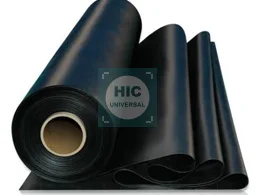
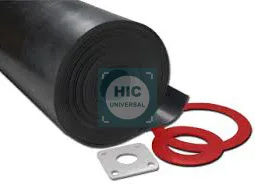
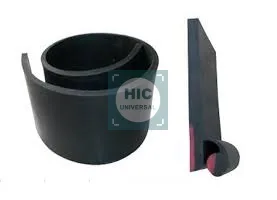
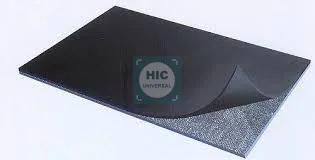
Manufacturing Capacity
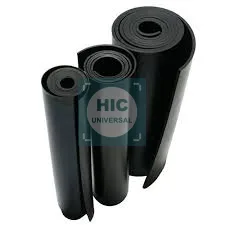
HIC Universal insulating mats and rubber sheets are mixed, calendered, cured and vulcanised in our own plant, in regular production from EPDM, SBR, NBR, CR (neoprene), Viton, silicone (MQ) and natural rubber.
HIC's manufacturing capacity is 18,000 Nos./ Rolls a year of elastomer sheets and mats, in a range of thicknesses and sizes, supplied to buyers worldwide.
Mission
HIC International works on a simple belief: nobody should have to risk their life to earn a living.
HIC's mission is to make safety rubber products under strict in-process quality checks and in-house physical tests, so every electrical rubber mat and sheet meets the standard it was ordered to.
That is how HIC makes workplaces safer and earns trust as a supplier of Made in India insulation rubber.
Why HIC Universal
Why Select HIC EPDM, NBR, Silicone Rubber Insulation?
Every HIC Universal supply is shipped with a foolproof test certificate from HIC's own laboratory, equipped with the latest test apparatus. HIC's warranted quality, shock-safe insulating mats and leak-safe insulation rubber sheets include:
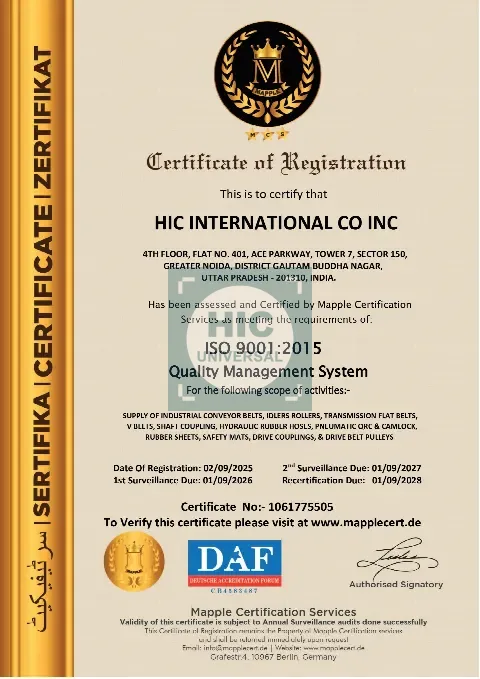

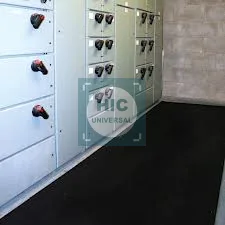
Class 3 Electrical Rubber Mat, proof tested at 40 kV (IEC 61111)
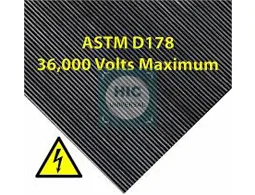
Dielectric Switchboard Matting, Class 1 to 4 (ASTM D178)
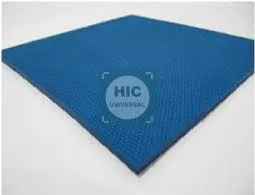
Class A, B and C Mats for LT and HT Panels up to 33 kV (IS 15652)
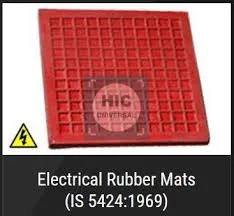
Checkered Anti-Slip Substation Mat, tested at 15,000 V (IS 5424)
-
Weather, UV and Ozone Resistant EPDM Sheet, -45 to +140°C
-
Fire, Ozone and Oil Resistant Neoprene Sheet, -30 to +100°C
-
Petroleum Oil Resistant Nitrile (NBR) Sheet, up to 50 mm thick
-
Abrasion Resistant Natural Rubber and Cloth Insertion Sheet
-
Fuel, Biodiesel and Chemical Resistant Viton (FKM) Sheet, up to +300°C
-
Abrasion and Hot Water Resistant SBR Diaphragm Sheet, up to +110°C
-
Food Grade, Heat Stable Silicone Sheet, -70 to +230°C
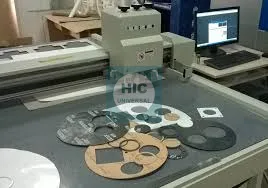
Rubber Sheet for Die-Cut Gaskets, Any Grade
TPI Quality assurance
Third Party Inspection Facility
When a buyer asks for TPI, HIC arranges third party inspection by an independent, accredited Indian test facility such as CPRI, ERDA, SGS, RITES or PDIL, or another Government approved laboratory.
The inspection fee is extra, and charges are paid by the buyer directly to the agency.
Quality insulating material supplied at competitive prices in India and exported to buyers in 24 countries:
- UK
- Singapore
- China
- Malaysia
- USA
- Ireland
- Belgium
- Finland
- Colombia
- UAE
- Czech Rep.
- Slovakia
- Saudi Arabia
- Australia
- Indonesia
- Japan
- Senegal
- Philippines
- Spain
- France
- Israel
- Morocco
- South Africa
- Canada
Export Excellence Award, 1997
In February 1997, HIC's export record earned the Export Excellence Award and a Gold Medal, presented by the then Union Finance Minister of India. Today HIC Universal mats and sheets reach buyers in more than twenty countries, each consignment carrying the tested quality the award recognised.
Downloads
Technical resources and catalogues
Enquiry
Tested Quality, Tailor-Made and Timely Delivery!
Send us the standards reference number or rubber grade, thickness, size and quantity, and the HIC team will come back with a quotation of matting and/or sheeting.